- Community playtime: ~51 h main story, ~68 h with sides, ~108 h completionist.
- Best-in-class combat depth and style; cryptic story and brutal tutorial are the toll.
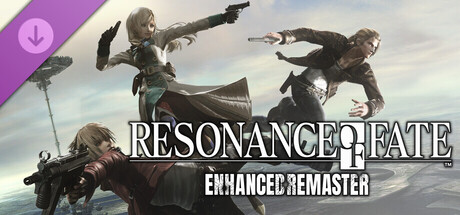
- The 2026 Enhanced Remaster (Steam DLC $9.99 / PS5 $34.99) is the most accessible way in.
Introduction to tri-Ace's Unconventional Masterpiece
When players look back at the seventh-generation console era, tri-Ace’s collaboration with Sega often sparks intense debate. If you are asking yourself if Resonance of Fate worth it is a question with a straightforward answer, prepare for a surprise because this cult classic defies simple categorization. For gamers wondering if Resonance of Fate worth it means enduring brutal difficulty and steep learning curves, this deep-dive review explores whether the unique steampunk adventure still holds up today. Set inside a towering mechanical structure known as Basel, the game replaces traditional fantasy tropes with cinematic gunplay, customizable wardrobes, and a board-game-inspired world map.
Originally launched in 2010 for the Xbox 360 and PlayStation 3 before receiving a later 4K remaster on modern platforms, the game carved out a distinct niche. It rejects standard JRPG tropes in favor of tactical positioning, real-time mechanics, and an avant-garde narrative structure. Let’s break down the mechanics, story, and overarching experience to help you decide if it deserves a spot in your backlog.
Setting and Story: Navigating the Tower of Basel
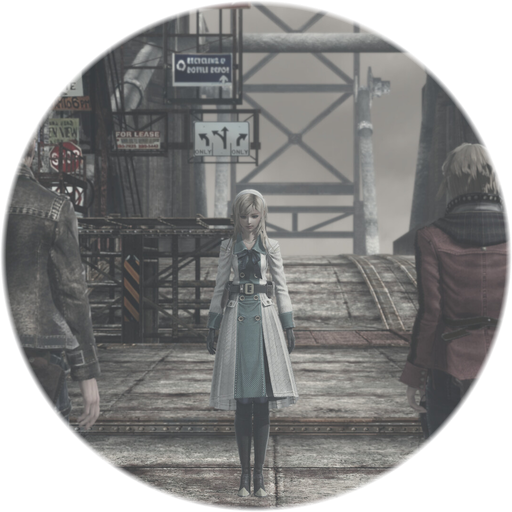
The narrative unfolds in a distant future where ecological collapse rendered the surface of the earth completely uninhabitable. Humanity survived by constructing Basel, a massive mechanical air-purifier tower regulated by a machine deity named Zenith. Society is stratified, with the wealthy ruling elite and Cardinals governing from the upper tiers while private contractors handle dangerous odd jobs.
You control three mercenaries: Vashyron, an easygoing veteran with a mysterious past; Zephyr, an intense young man carrying deep emotional scars; and Leanne, a former test subject who escaped a predetermined fate. Community reports and player experience highlight that the storytelling relies heavily on fragmented, self-contained chapters. Rather than delivering a linear, sweeping epic, the plot unfolds through atmospheric world-building, quirky slice-of-life missions, and deep philosophical allegories regarding human lifespan and divine control.
| Narrative Aspect | Details & Mechanics |
|---|---|
| Setting | The mechanical tower of Basel, functioning as a steampunk metropolis |
| Protagonists | Vashyron, Zephyr, and Leanne (PMC operatives) |
| Core Theme | Predetermined life expectancy, societal classism, and artificial deities |
| Pacing | Episodic missions with loose narrative connections until late-game revelations |
The Complex and Cinematic Combat System
Combat is undeniably the beating heart of the experience, and it is also the primary filter that separates casual players from dedicated JRPG veterans. Abandoning traditional sword-and-sorcery menus, tri-Ace engineered a hybrid system combining real-time positioning with turn-based strategy. Players manage two distinct damage types: machine guns inflict temporary “scratch” damage, while pistols convert that scratch damage into permanent health loss.
Mastering the mechanics requires executing “Hero Actions,” where characters sprint across the battlefield in real time while unleashing torrents of gunfire. However, this freedom comes with strict risks tied to your “bezel” gauge. Running out of bezels throws your party into a vulnerable critical state, demanding precise spatial awareness and tactical timing.
| Combat Feature | Function & Tactical Purpose |
|---|---|
| Machine Guns | Inflict wide-scale “scratch” damage to strip enemy armor and health bars |
| Pistols | Convert temporary scratch damage into permanent HP reduction |
| Hero Actions | High-speed acrobatics granting temporary invulnerability and sustained fire |
| Tri-Attacks | Coordinated team maneuvers forming a triangle barrage using resonance points |
For additional details on modern availability and platform specifics, you can check out the official Steam Store Page for Resonance of Fate.
Exploration, Hex-Grid World Map, and Customization
Exploration departs from standard open-world formulas by treating the global map like a strategic board game. The world of Basel is composed of colored hexagon tiles that players must unlock using energy “cells” acquired from battles and quests. Clearing these hexes reveals hidden dungeons, towns, and traversal items. By connecting neighboring terminal nodes, players can activate passive buffs such as increased item drop rates or reduced encounter difficulty.
Character and weapon customization provide a welcome reprieve from the relentless combat challenge. Players can spend hours tailoring their trio’s outfits, which instantly reflect in real-time cutscenes and exploration. Meanwhile, weapon upgrades utilize a puzzle-like grid system where scopes, barrels, and extended magazines are pieced together for optimized performance.
- Hex Exploration: Clear grid spaces strategically to connect terminals and unlock passive attribute bonuses.
- Wardrobe Freedom: Extensive clothing options let you completely personalize the visual style of Vashyron, Zephyr, and Leanne.
- Weapon Modding: Attach barrels, scopes, and grips in a grid-based interface to boost ammunition capacity and attack power.
Difficulty and Progression Statistics
There is no sugarcoating the difficulty curve—this game pushes back hard. Boss encounters require rigorous preparation, specific ammunition configurations, and flawless execution of defensive positioning. While regular enemy encounters become manageable once you master movement mechanics, late-game bosses can wall unprepared players for hours.
To help frame the investment required for a playthrough, consider the following structural metrics:
| Game Metric | Estimated Time / Value |
|---|---|
| Main Story Completion | ~51 hours (community average) |
| Completionist Run (Side Quests) | 108+ hours |
| Difficulty Settings | Normal first run, harder NG+ tiers after |
| Learning Curve | Steep initial hurdle requiring patience during early chapters |
Player experience notes that falling in battle is met with a minor currency penalty rather than an immediate game over, offering a slight safety net. However, the lack of adjustable difficulty means you must rise to the game’s standards rather than lowering them.
Related Guides
Review
See Review for our full verdict.
Original vs Remaster
See Original vs Remaster for every edition compared.
Reddit Community
See Reddit Community for what players say online.
FAQ
Is Resonance of Fate difficult for beginners?
Yes. The game features a steep learning curve with complex combat mechanics and an unbending difficulty curve. Beginners should expect to invest time in understanding the interaction between scratch damage, pistols, machine guns, and bezel management.
How long does it take to beat Resonance of Fate?
If you focus strictly on main story objectives, a standard playthrough takes roughly 51 hours by community averages. Tackling optional guild missions and deep optional dungeons easily pushes playtime toward 68 hours or more.
Does the game have a good story?
The narrative is divisive. While the character dynamics between Vashyron, Zephyr, and Leanne are praised for their charm and depth, the overarching plot about machine gods and societal control is presented in a fragmented, unconventional manner that requires attention to fully appreciate.
Is Resonance of Fate worth it for modern JRPG fans?
If you enjoy deep tactical combat systems, steampunk aesthetics, and games that demand mastery of their mechanics, it remains an unforgettable and rewarding experience well worth playing.